
Is Panama Safe After the Earthquake?
An Expat’s Update
An update from Panama City after the October 2026 earthquake: what happened, what I have seen, and what it means for your move.
Last updated: October 2026 · By Vicky Stavropoulos, Panama Visa Expert
If you have been following the news, you may have seen reports about a strong earthquake that struck Panama in October 2026. My inbox has been filling up with questions from people considering a move here, so let me tell you what it looks like on the ground. I have lived in Panama since 2004. Here is what I am seeing.
Panama City is functioning normally, and in the neighborhoods where most expats live I have seen no significant damage. Civil protection officials reported no damage in the capital, and its modern high rises, built to Panama’s seismic building code, came through. The damage from the October 9 earthquake was concentrated in the central provinces, where authorities declared a national state of emergency. The US travel advisory for Panama is Level 2, Exercise Increased Caution, and it was issued before the earthquake. If you are planning a move, an earthquake of this size is worth thinking about, but in my view it is not a reason to stop.
What Happened
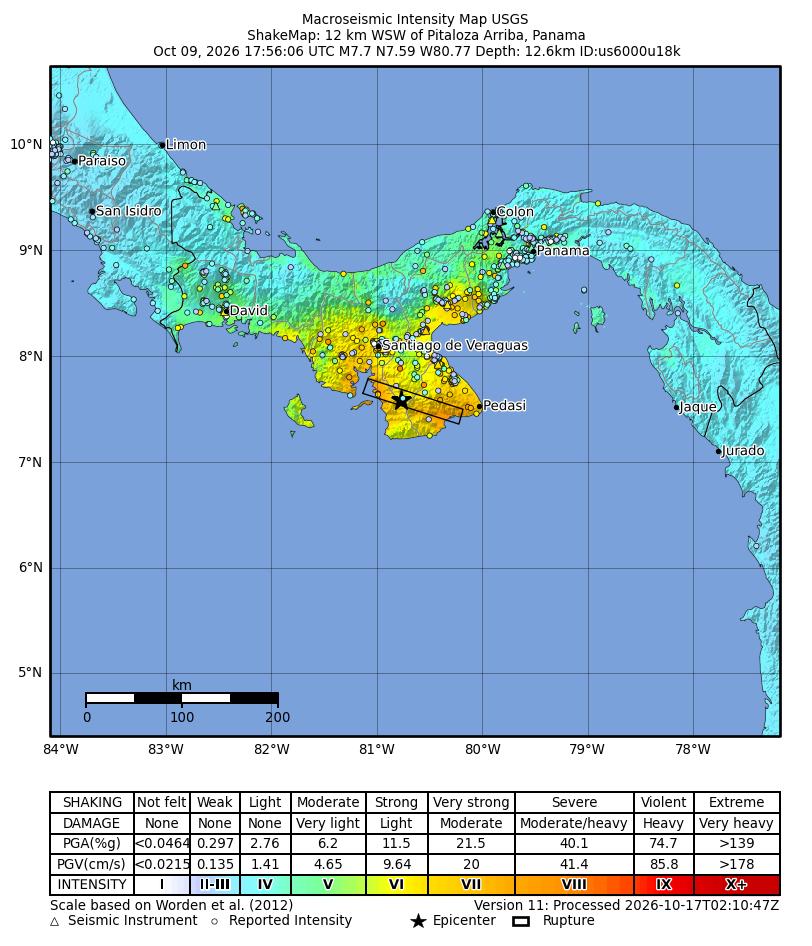
On October 9, 2026, at 12:56 p.m., a magnitude 7.7 earthquake struck off the coast of Panama, according to the US Geological Survey. It was followed that afternoon by a magnitude 6.6 aftershock and overnight by a magnitude 6.0 aftershock, and Panama recorded more than 300 smaller aftershocks in the days after. It was felt across the country, including here in Panama City, and it made international headlines.
I will not minimize it. It was a strong earthquake.
What Panama City Looks Like Right Now
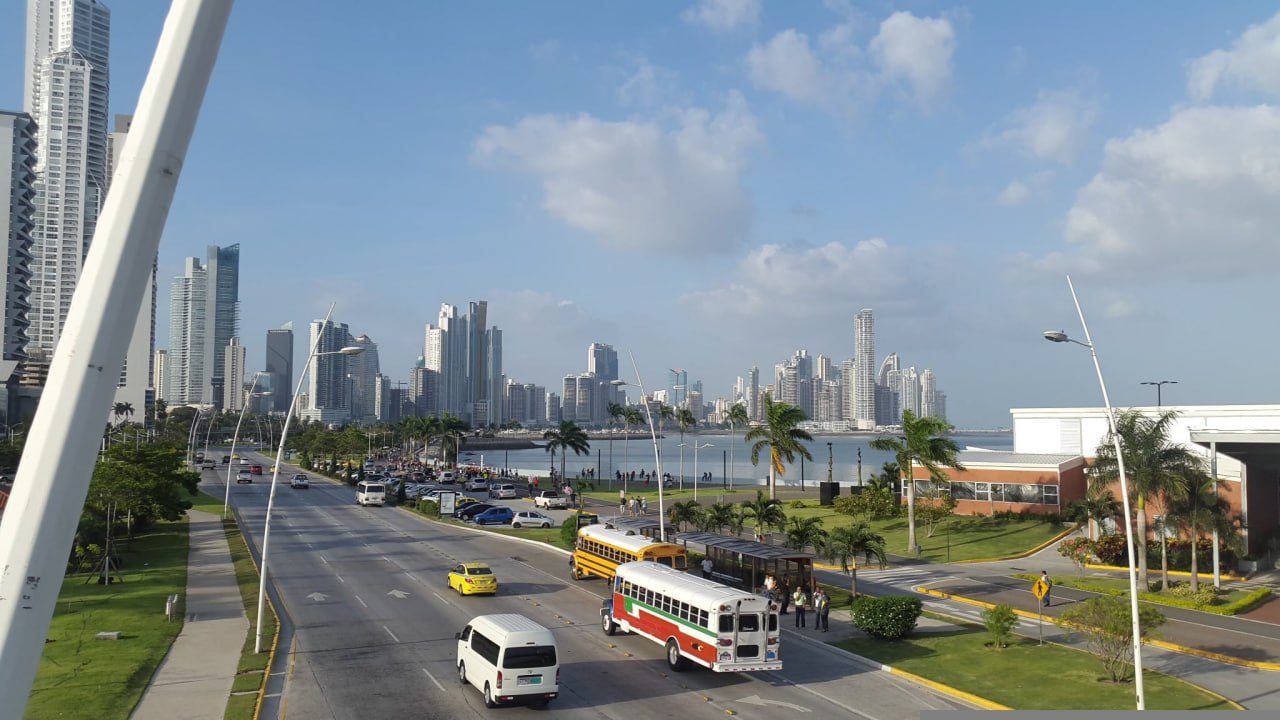
Panama City is functioning normally. Restaurants are open. Malls are open. People are going about their daily lives. In the neighborhoods where most expats live, including Punta Pacífica, Costa del Este, El Cangrejo, Bella Vista and Casco Viejo, I have seen no significant damage.
The Panama Canal Authority reported that canal transits continued normally while its teams inspected the facilities. Tocumen International Airport briefly suspended operations on the day of the earthquake.
Why Panama City’s Buildings Held Up
Civil protection officials said there were no reports of damage in the capital, which is known for its hundreds of skyscrapers. Panama City’s modern buildings are designed for this. Construction in Panama is governed by a structural code, the Reglamento Estructural Panameño, which sets minimum standards for seismic design, and the city’s modern high rises are built to it. They came through without damage.
Distance helped as well. The epicenter was roughly 200 kilometers from Panama City, so the shaking here was moderate compared with the central provinces. Some office workers went out into the streets and two Metro lines paused briefly as a precaution, but the city kept functioning.
Older buildings are a different question, which is why I always tell people to ask when a building was built and to what standard.
Where the Damage Was
The damage was concentrated in the central provinces, not in Panama City. Emergency authorities named Veraguas, Herrera and Los Santos as the most affected provinces, and some reports also include Coclé. Authorities declared a national state of emergency. According to early reports, 27 people were injured and no deaths were reported. Counts of damaged homes differed between sources, from about 420 to nearly 900, and reports also described damaged schools, churches and bridges, and badly cracked roads in Veraguas. Some historic buildings were damaged, including a colonial church in Los Santos province.
If you have friends or family in the affected areas, official updates from Panama’s emergency authorities are the best place to look for current information.
About the US Travel Advisory
The US State Department rates Panama at Level 2, which means Exercise Increased Caution. This rating was issued on August 19, 2026, before the earthquake, and it is about crime, not earthquakes. The advisory also lists the Darién region and the Mosquito Gulf as Do Not Travel areas. Those are remote areas, far from Panama City and from where most expats settle. You can read the current advisory yourself on the US State Department website.
What This Means for Your Relocation Plans
If you were planning to move to Panama, an earthquake of this size is worth thinking about, and in my view it is not a reason to stop. Earthquakes happen across Central America and the Caribbean. Panama has experienced seismic activity before and will again, as will Costa Rica, Mexico and much of the region. What matters is where you live, how the building was built, and how the country responds.
A few practical questions are worth asking before you rent or buy:
- When was the building built, and was it designed to seismic building codes?
- Does the building have an evacuation plan?
- Does your insurance cover earthquake damage?
Panama is still one of the most stable, affordable and welcoming countries in Latin America for expats and retirees.
A Personal Note
I moved here with my husband and two children in 2004. I have lived through rainy seasons, political transitions, a pandemic, and now this earthquake. Every time, Panama has come through.
This is still the place where your pension goes further, where Panama’s territorial tax system generally does not tax income earned outside Panama (your home country may still tax you, so speak to a tax professional), and where you can get residency in months, not years. That has not changed.
If you have questions about what life actually looks like here right now, or you want to talk through your residency options, I am happy to get on a call.
Vicky Stavropoulos has lived in Panama since 2004 and has helped hundreds of clients obtain Panama residency. She is the founder of Panama Visa Expert.
Related Guides
Frequently Asked Questions
Is Panama City safe after the October 2026 earthquake?
Panama City is functioning normally, and in the neighborhoods where most expats live I have seen no significant damage. The damage from the earthquake was concentrated in the central provinces.
Are Panama City buildings safe in an earthquake?
Civil protection officials reported no damage in the capital. Panama has a structural code that sets minimum standards for seismic design, and the modern high rises in Panama City are built to it. Older buildings are different, so ask when a building was built and to what standard.
Was the Panama Canal affected by the earthquake?
The Panama Canal Authority reported that canal transits continued normally while its teams inspected the facilities.
Does the earthquake change the US travel advisory for Panama?
The US State Department rates Panama at Level 2, Exercise Increased Caution. That rating was issued on August 19, 2026, before the earthquake, and it is about crime. Read the latest version on the US State Department website.
Should I still move to Panama?
For most people I speak with, my answer is yes, and I say that as someone who lived through this earthquake. Panama City and the neighborhoods where most expats live came through with no significant damage that I have seen, and the damage was concentrated in a few central provinces. That said, an earthquake is a fair reason to look more closely before you commit. Visit first if you can. Choose a newer building designed to seismic codes, ask about its evacuation plan, and check what your insurance covers. Then tell me what matters most to you, whether that is budget, climate, healthcare or being close to the airport, and I will help you see which parts of Panama fit. Every move is a personal decision, and I would rather you make it with clear eyes.
Start Your Panama Plan
If you are considering a move to Panama, proper planning and documentation are essential. Our team assists international clients with residency applications, document preparation, and relocation guidance.